


Gorilla Wizard | Hybrid P. cubensis Genetics
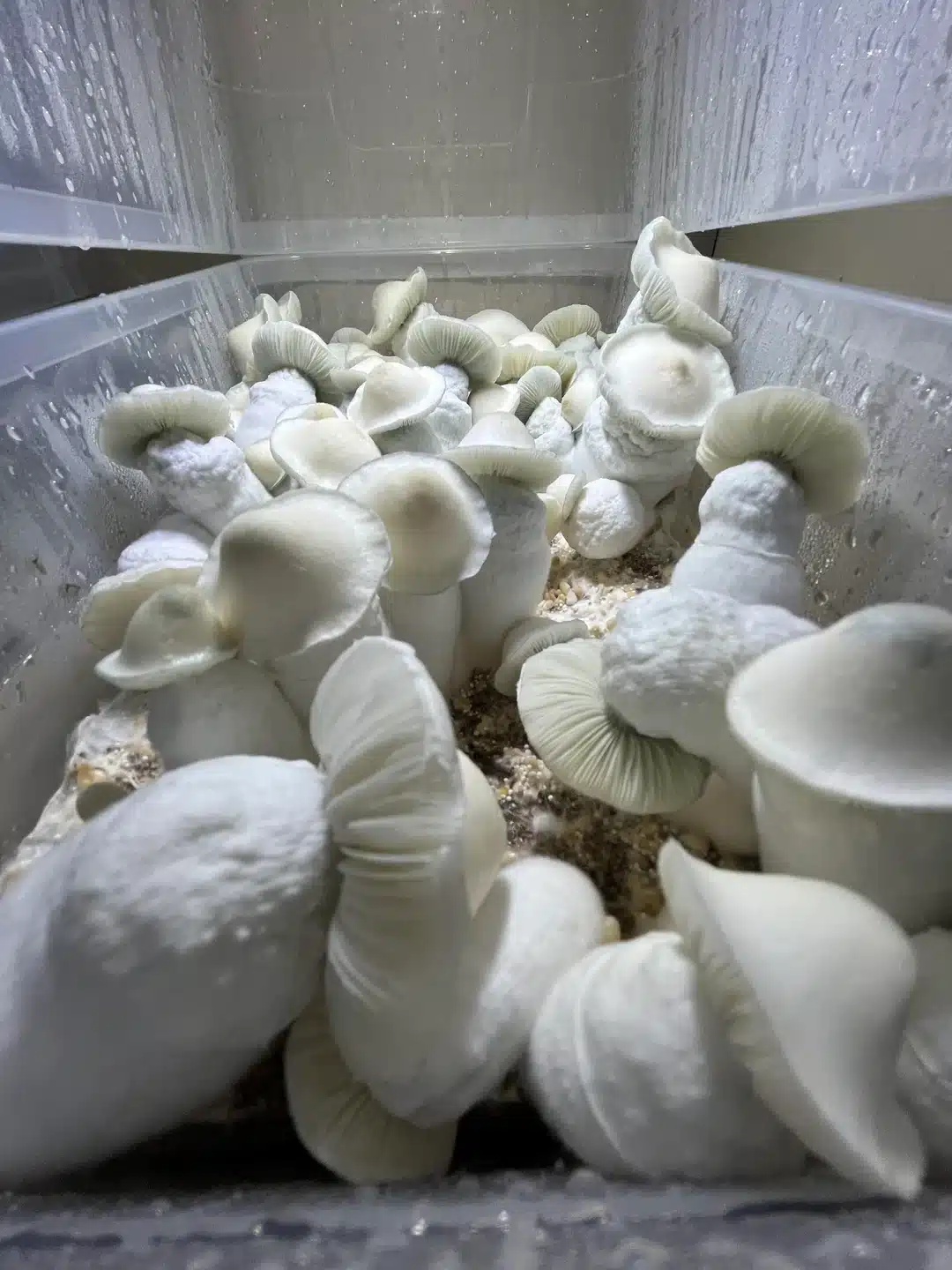
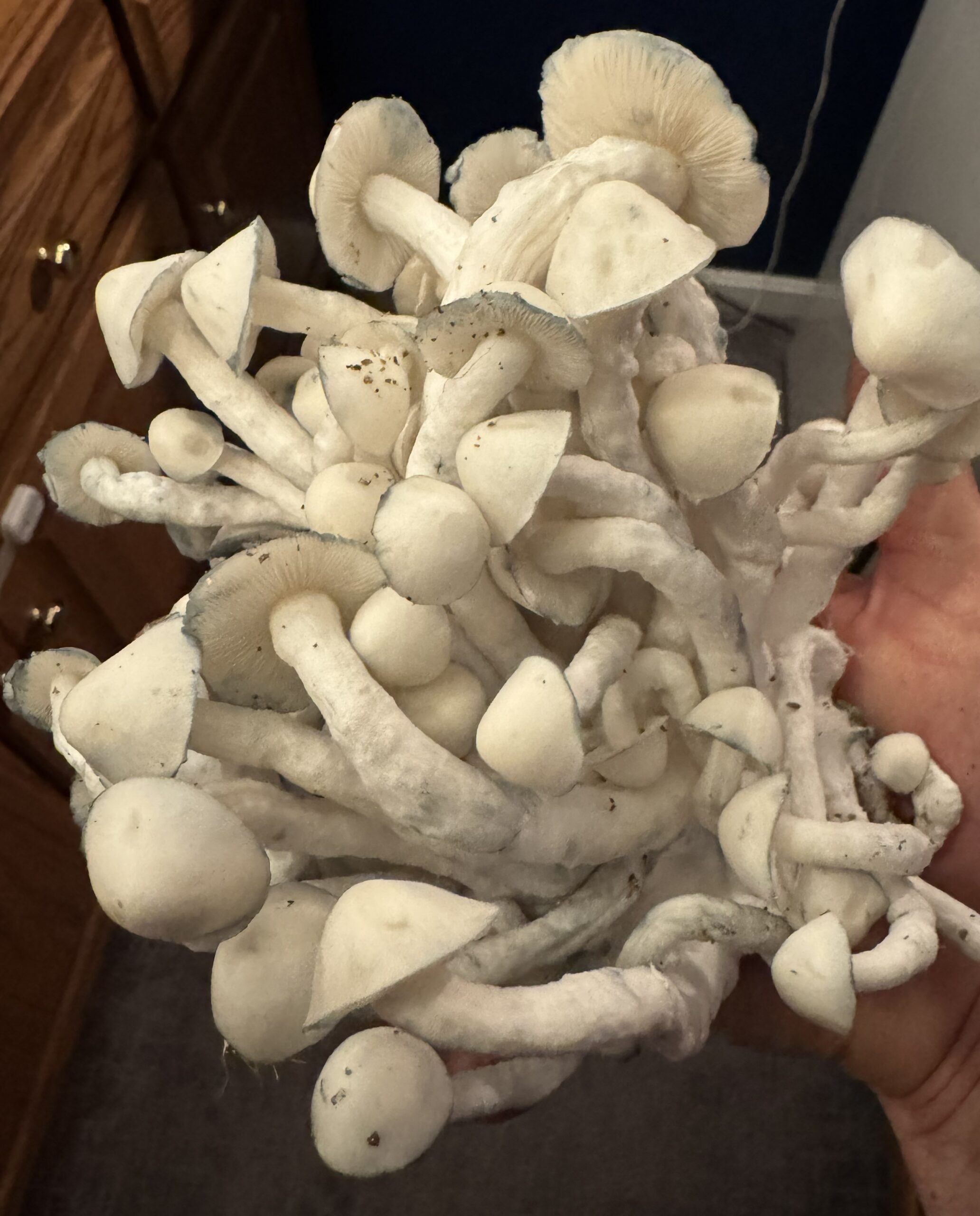
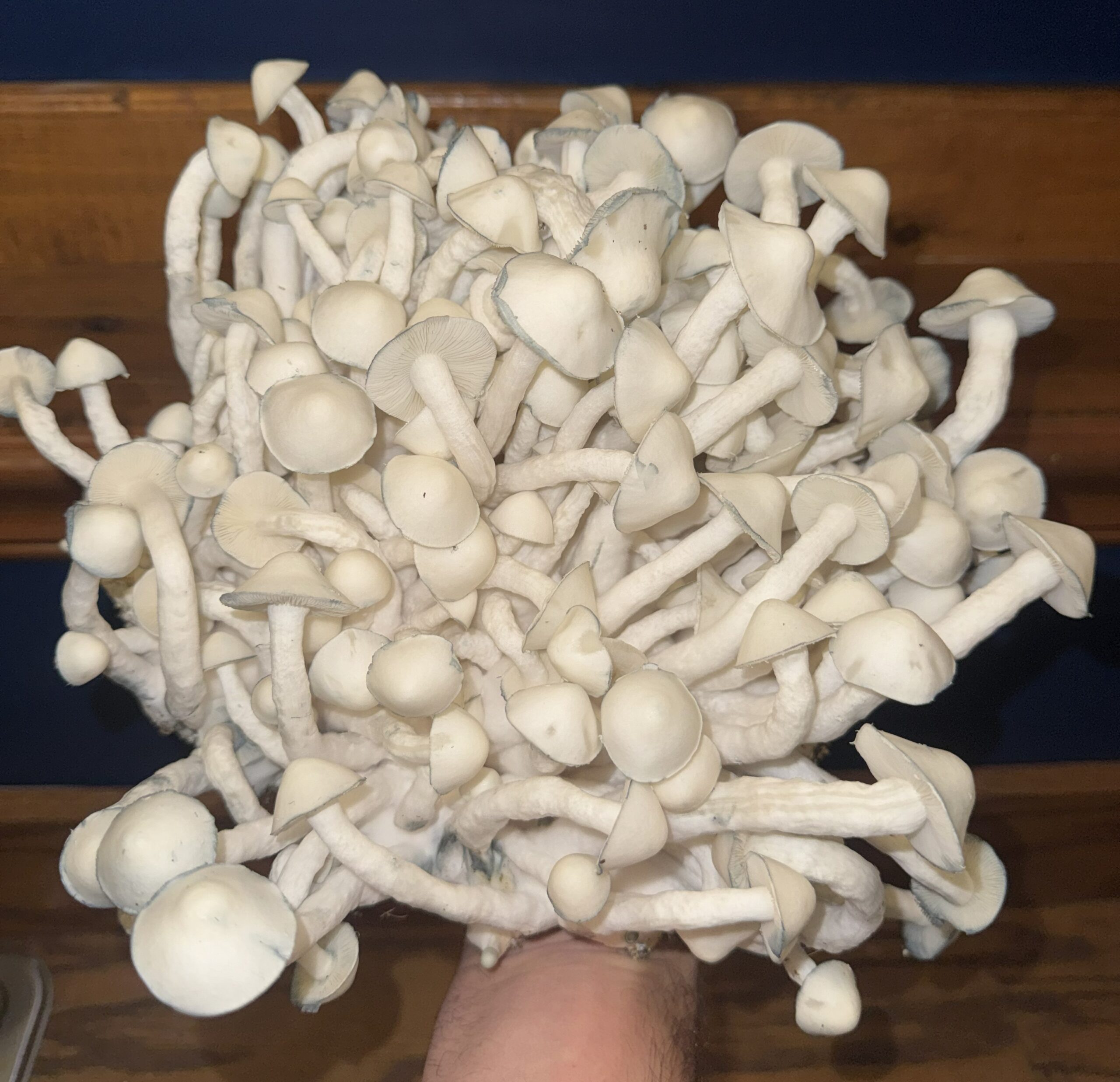
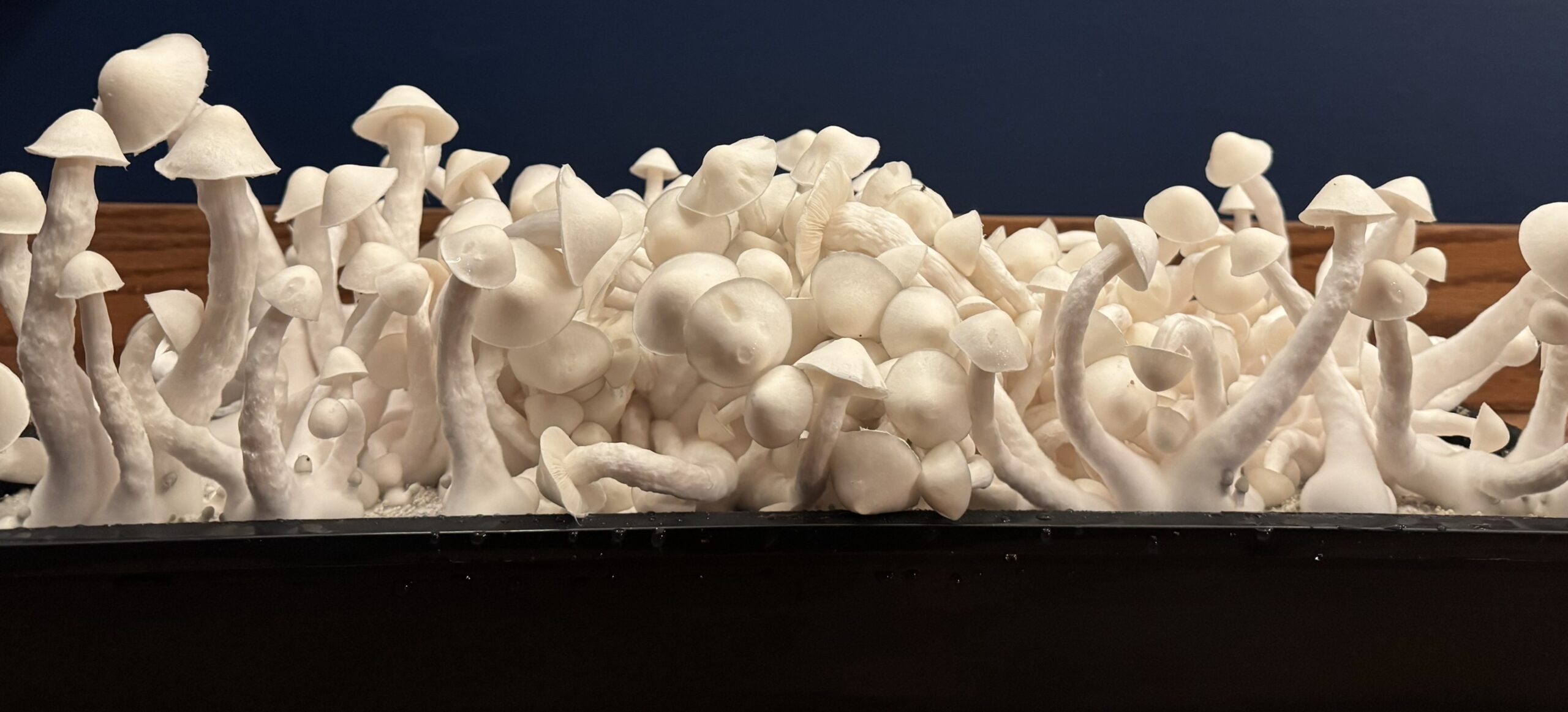
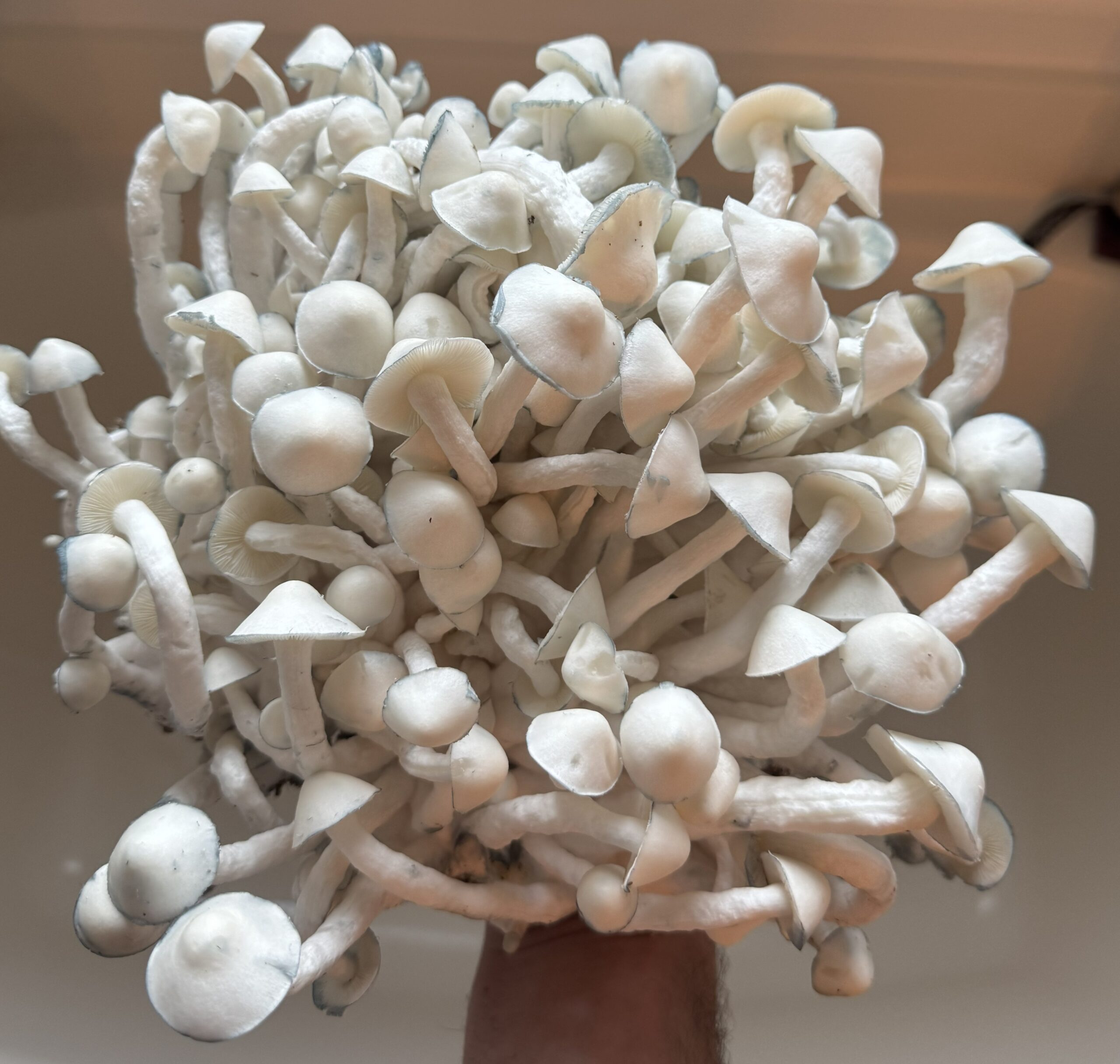
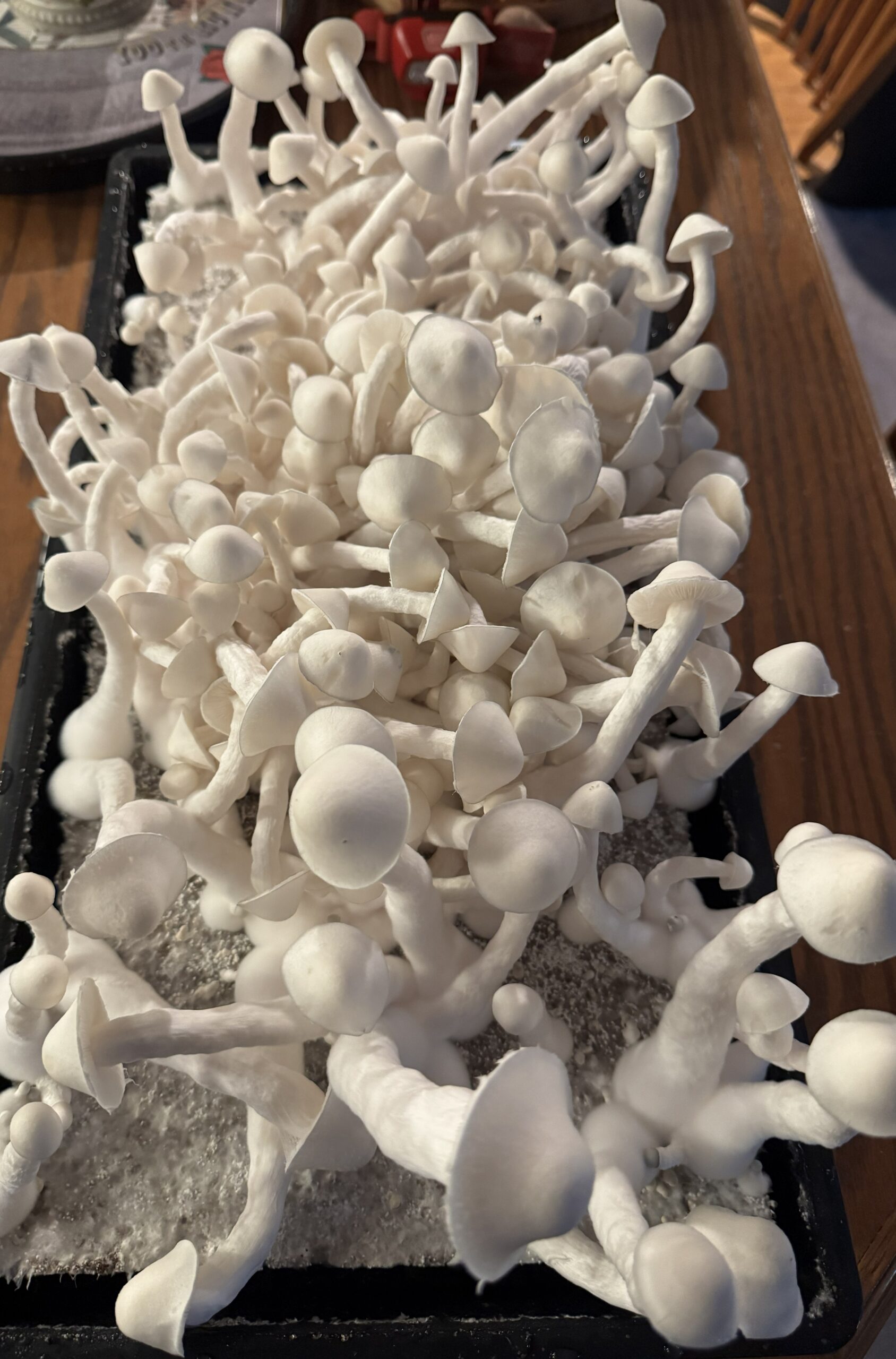
Dense, aggressive genetics with a “wizard-hat” look under the lens.
Gorilla Wizard is a modern Psilocybe cubensis hybrid that has quickly earned a reputation in the mycology community for its unusually thick, resilient mycelium and bold, high-contrast morphology. Often described as a cross of Gandalf and Makilla Gorilla, this variety is especially popular for microscopy, phenotypic comparison, and documentation of hybrid cubensis expression.
Genetic Lineage & Background
- Species: Psilocybe cubensis
- Lineage status: Modern hybrid / designer cubensis
- Commonly reported parentage: Gandalf × Makilla Gorilla (community-cited hybrid)
- Noted family influence: Often grouped by vendors and collectors alongside “Penis Envy–family” style hybrids due to its thick-stemmed, dense-growth tendencies
Because Gorilla Wizard is a newer hybrid, descriptions can vary by isolate. The most consistent trait across references is its vigorous, thick mycelial growth and standout morphology for observation-focused work.
Visual Characteristics (Macro Morphology)
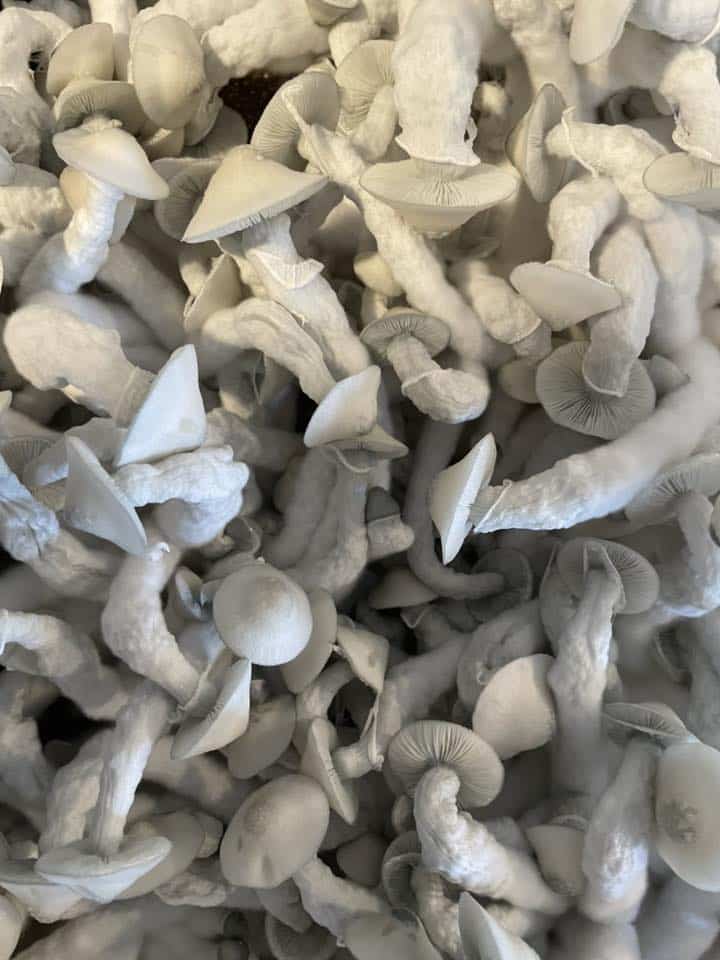
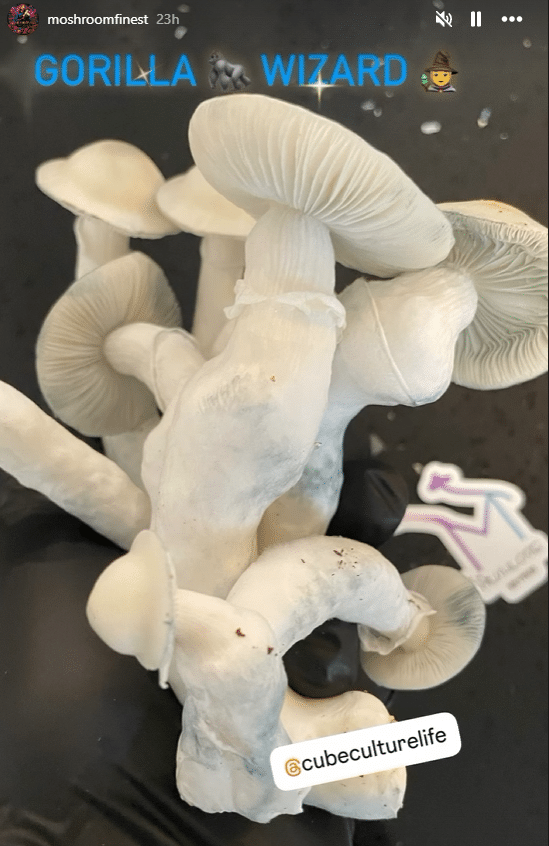
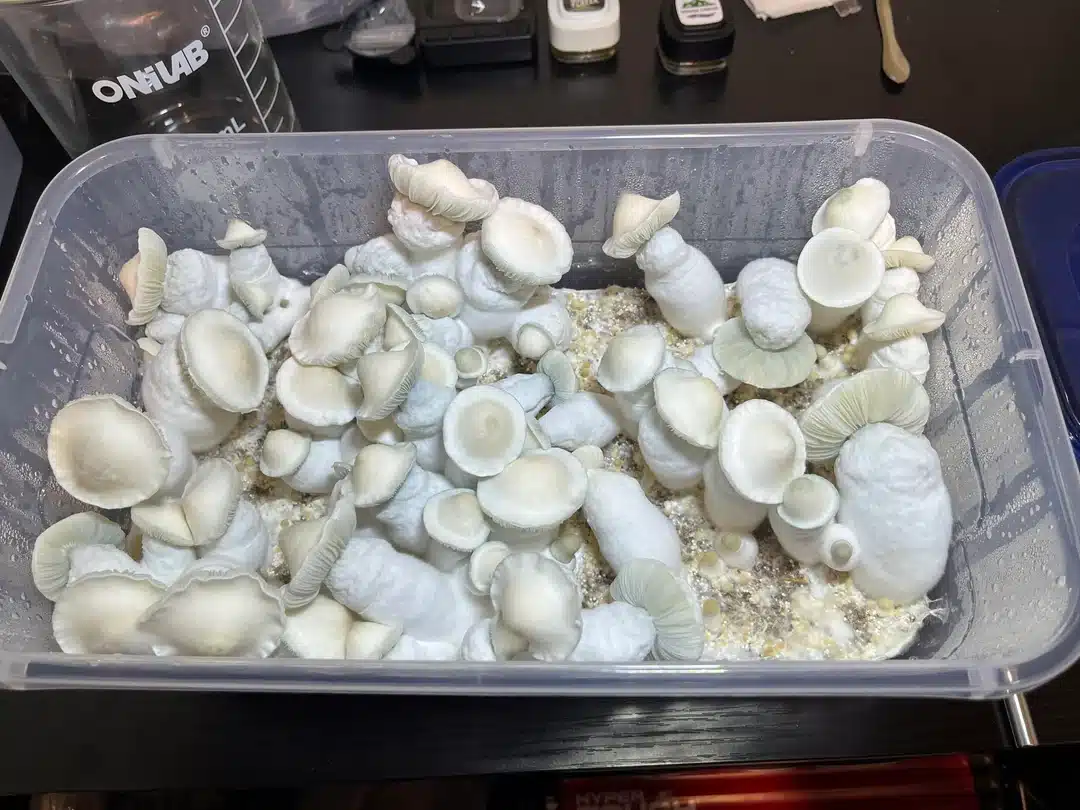
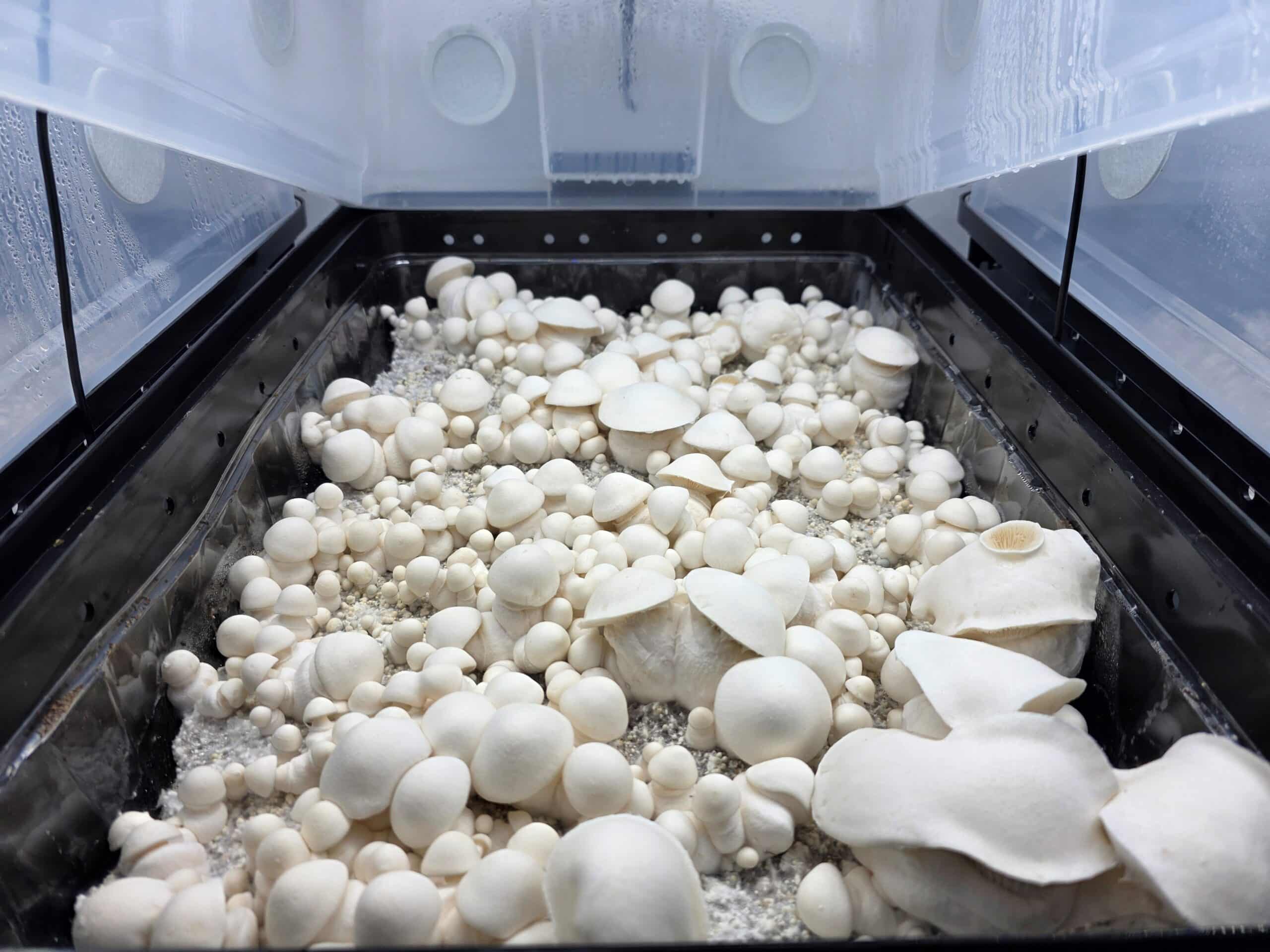
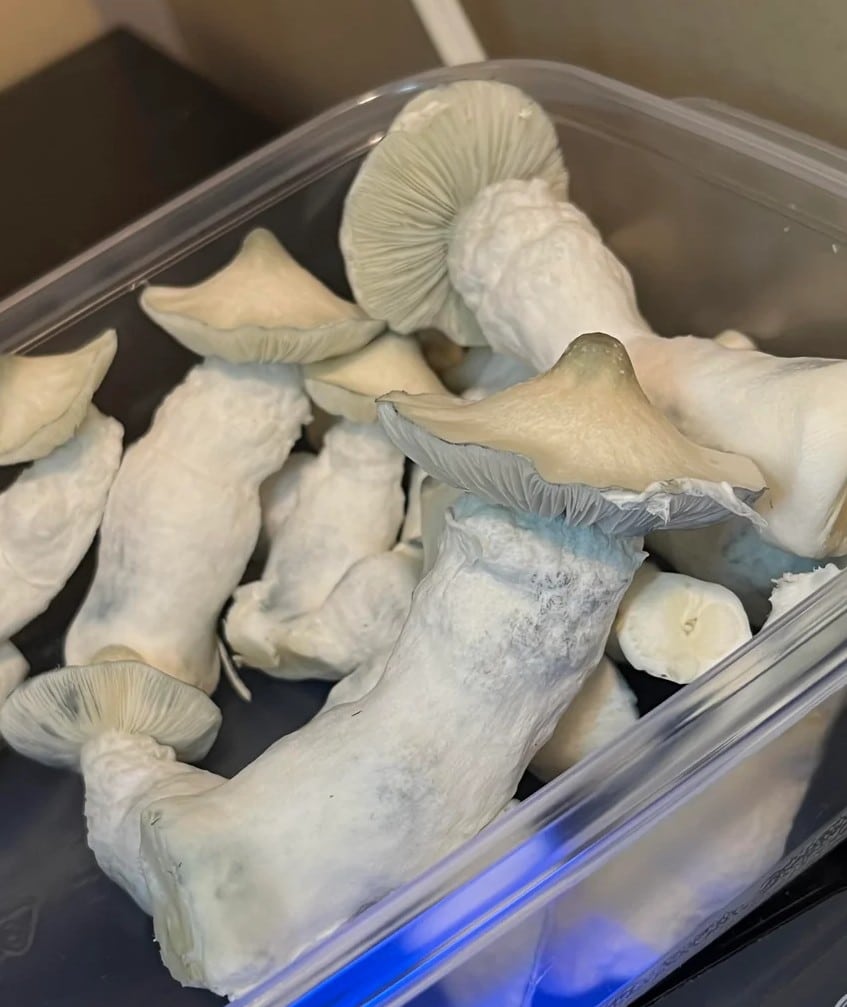
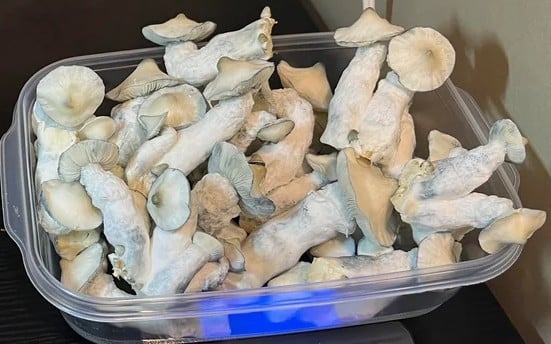
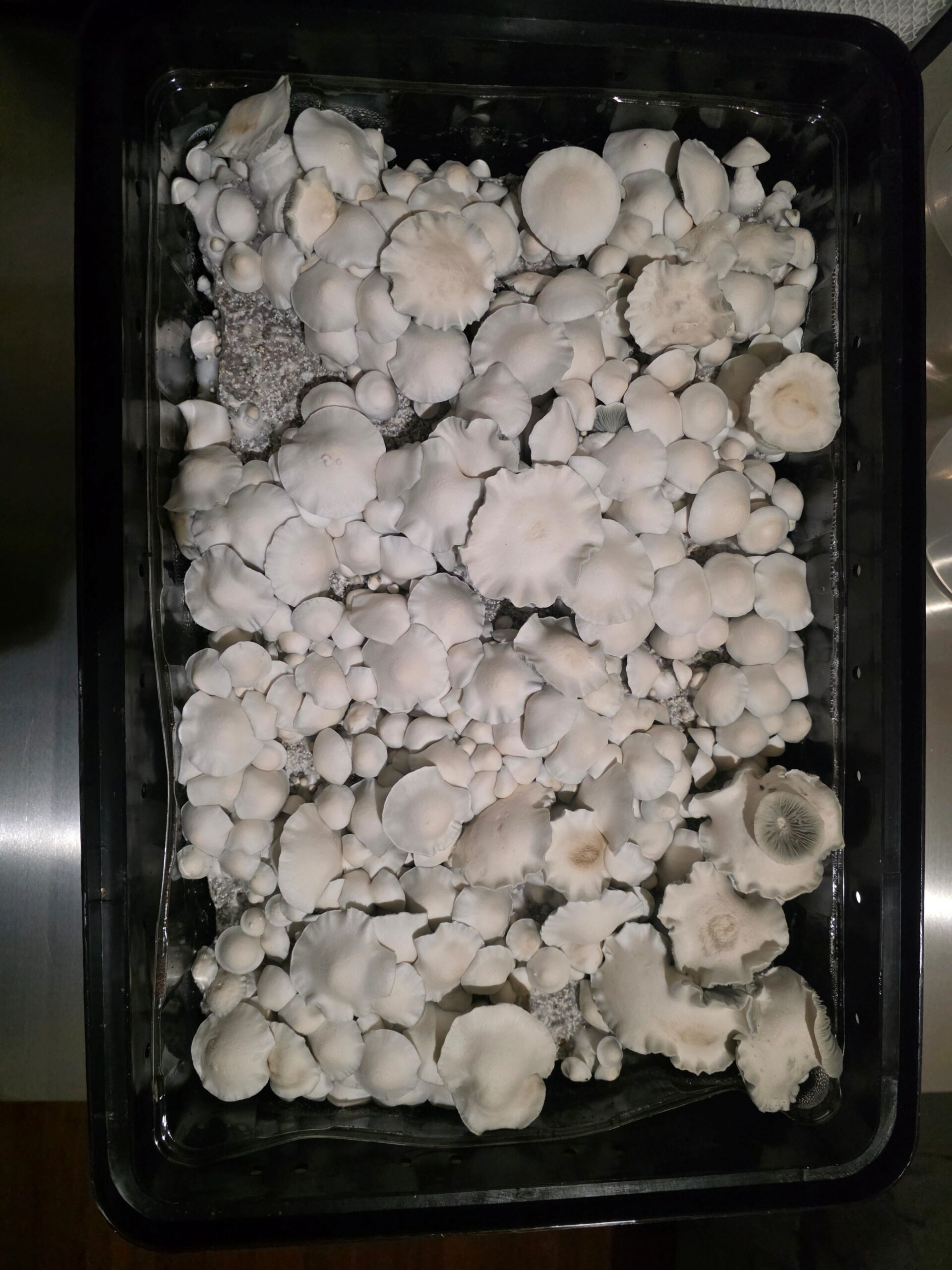
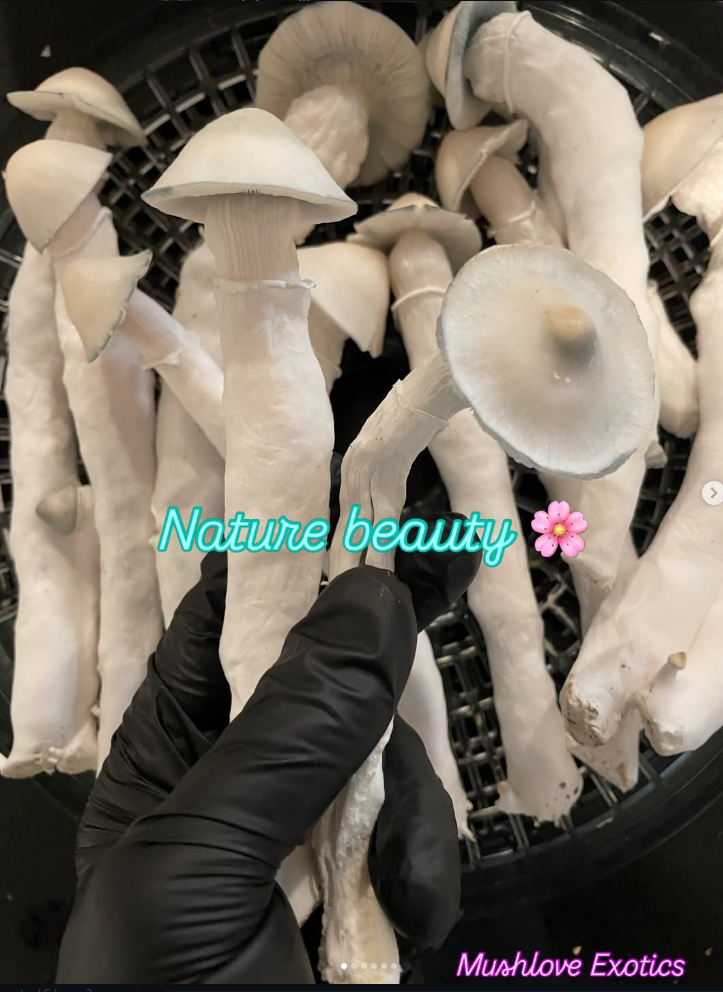
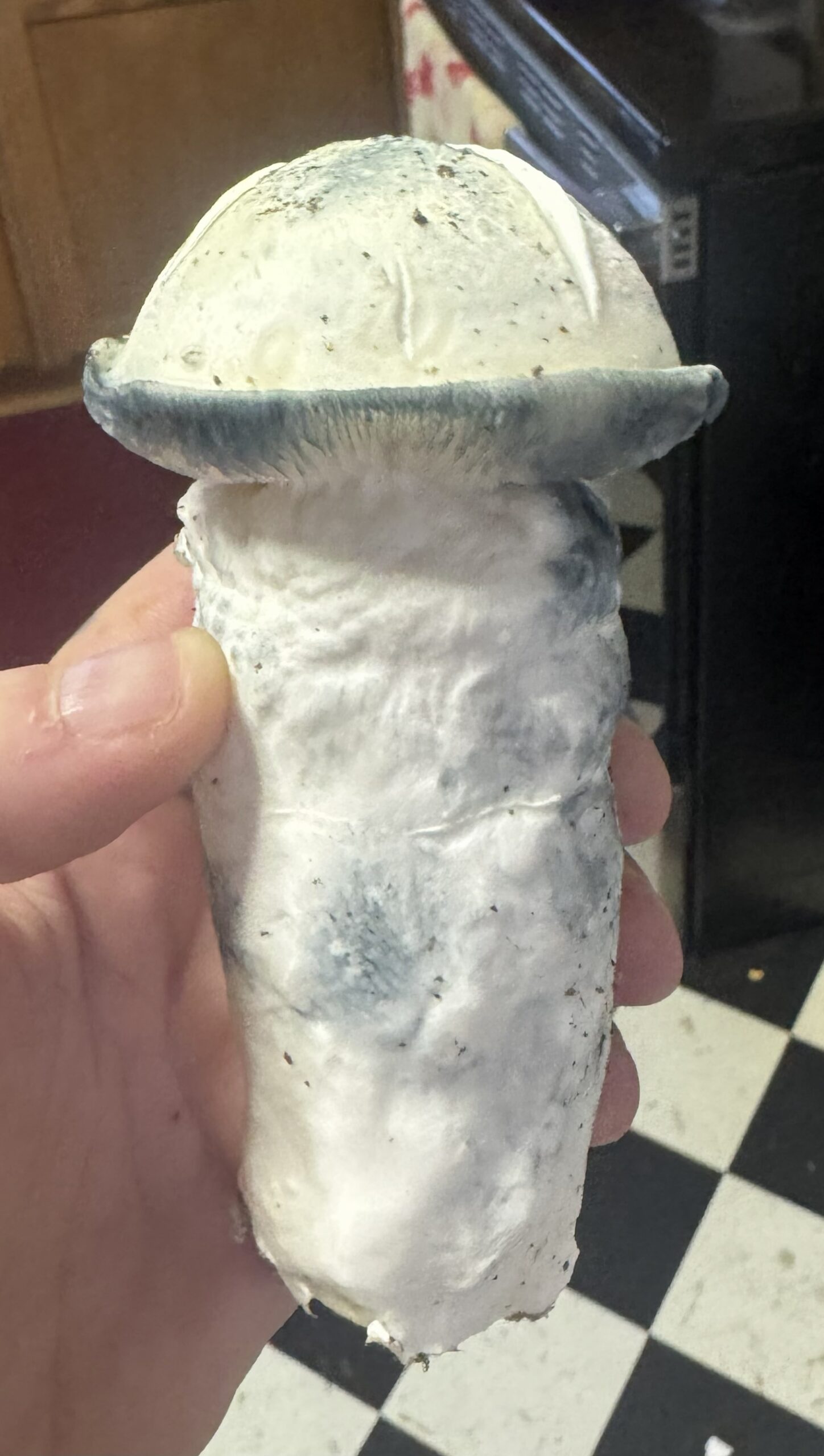
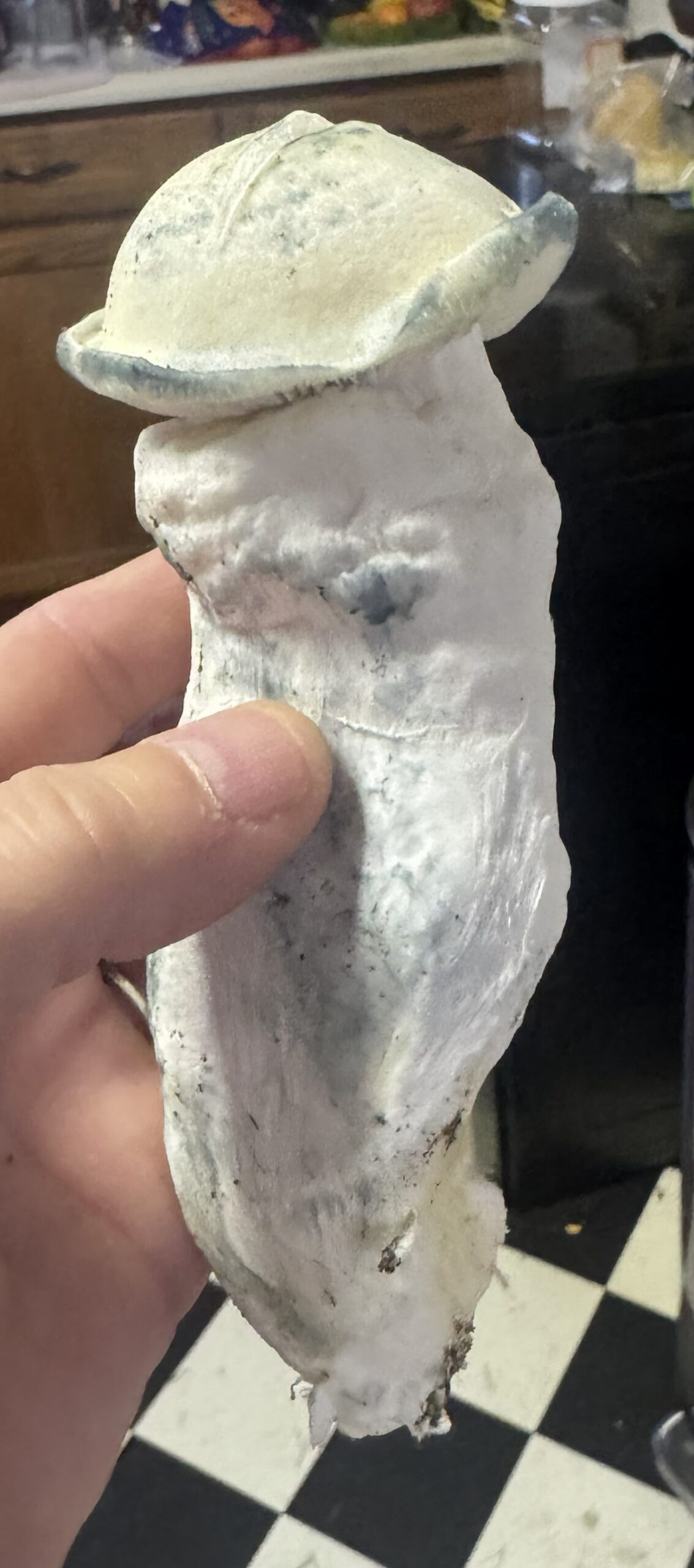
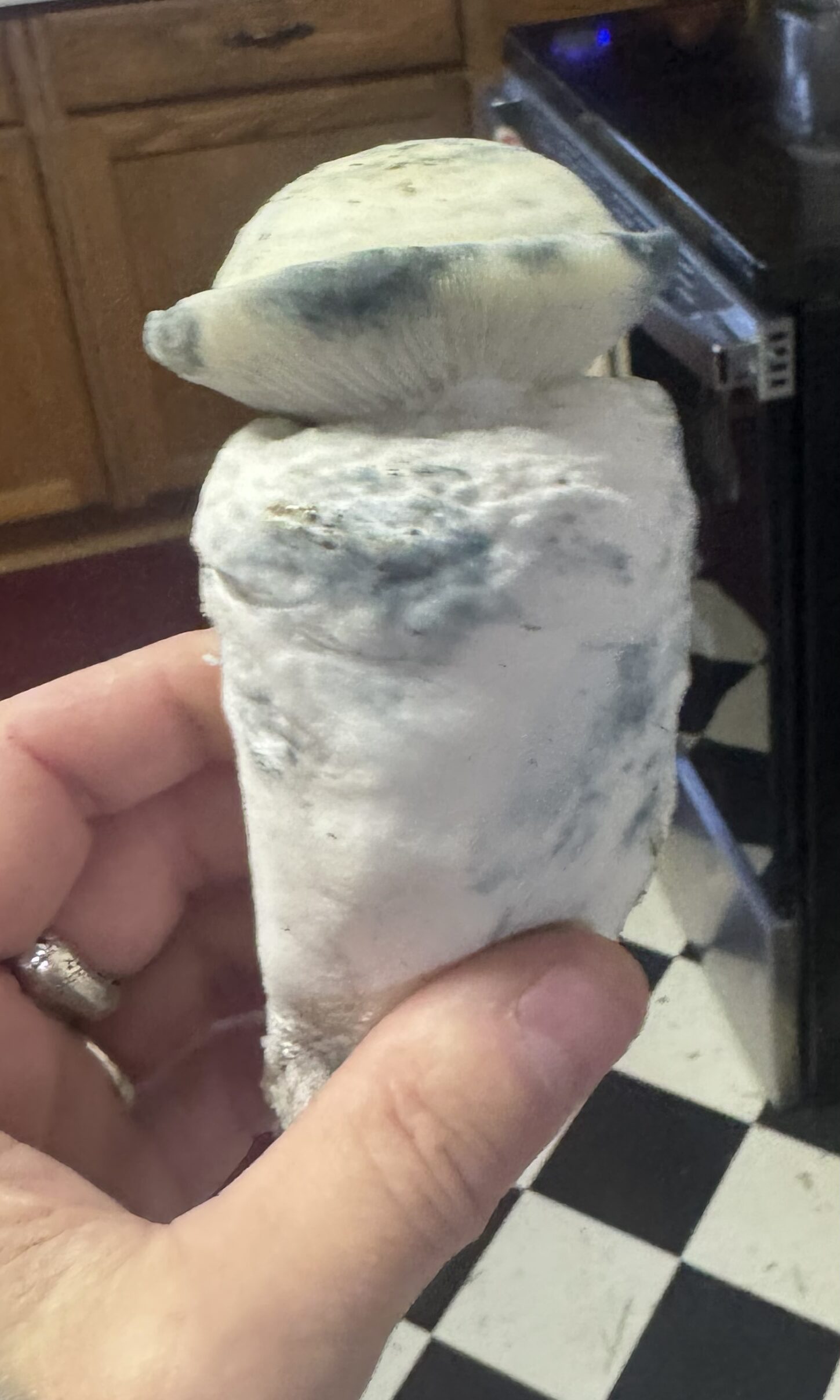
- Overall structure: Frequently described as dense, “heavy” fruiting bodies with thick stipes
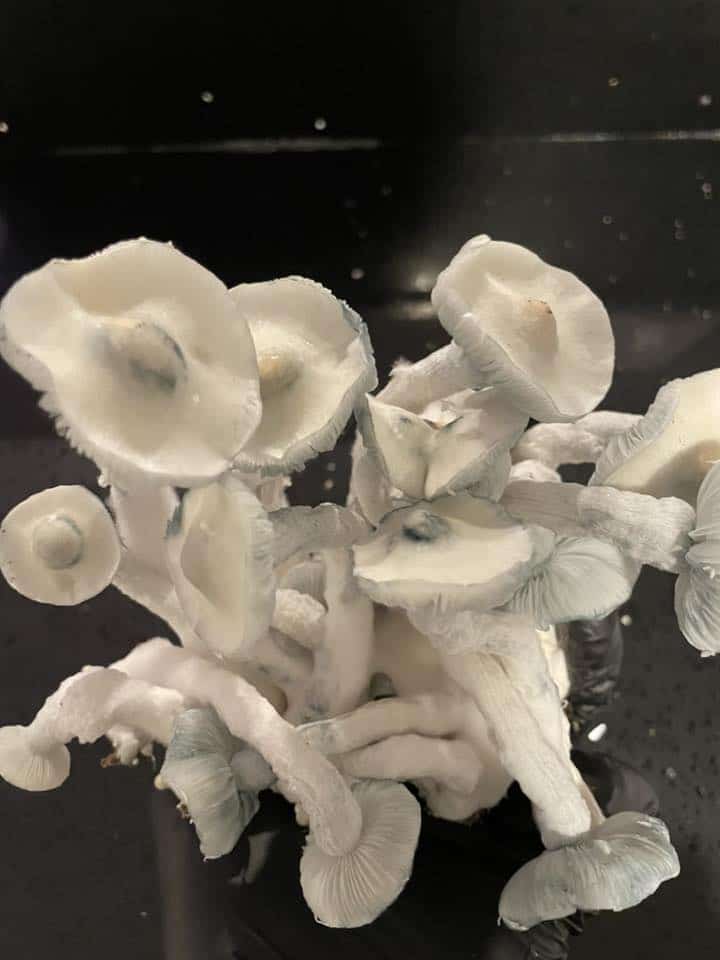
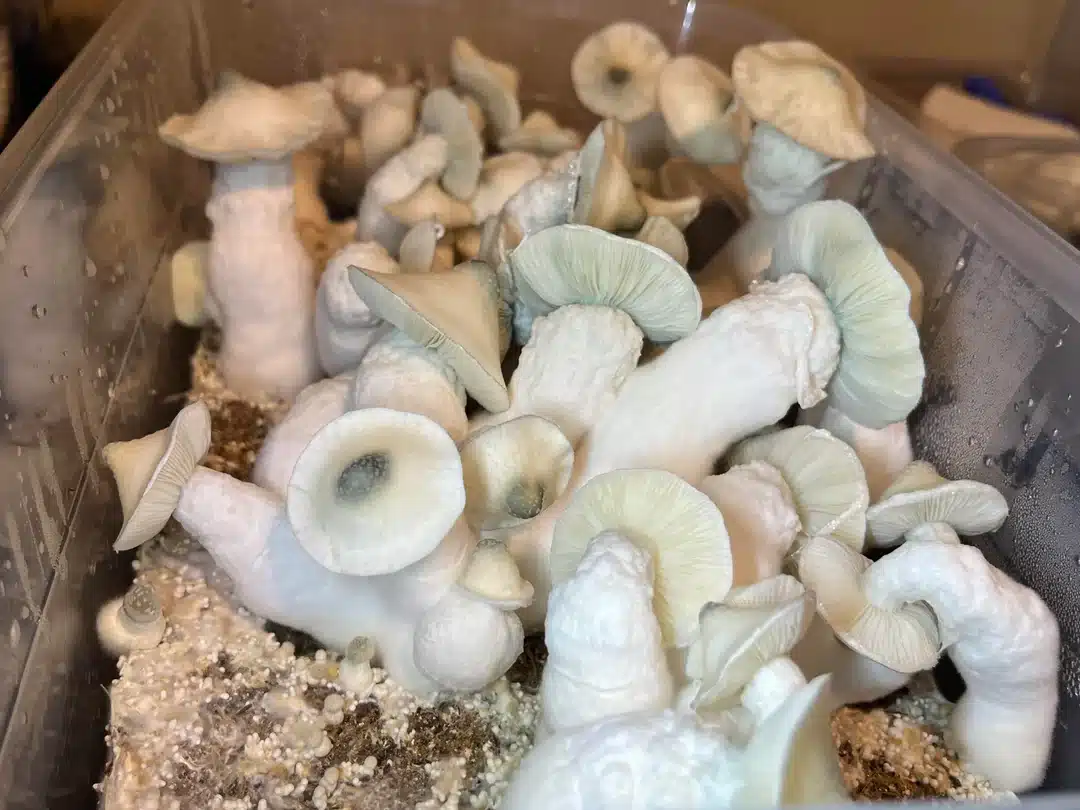
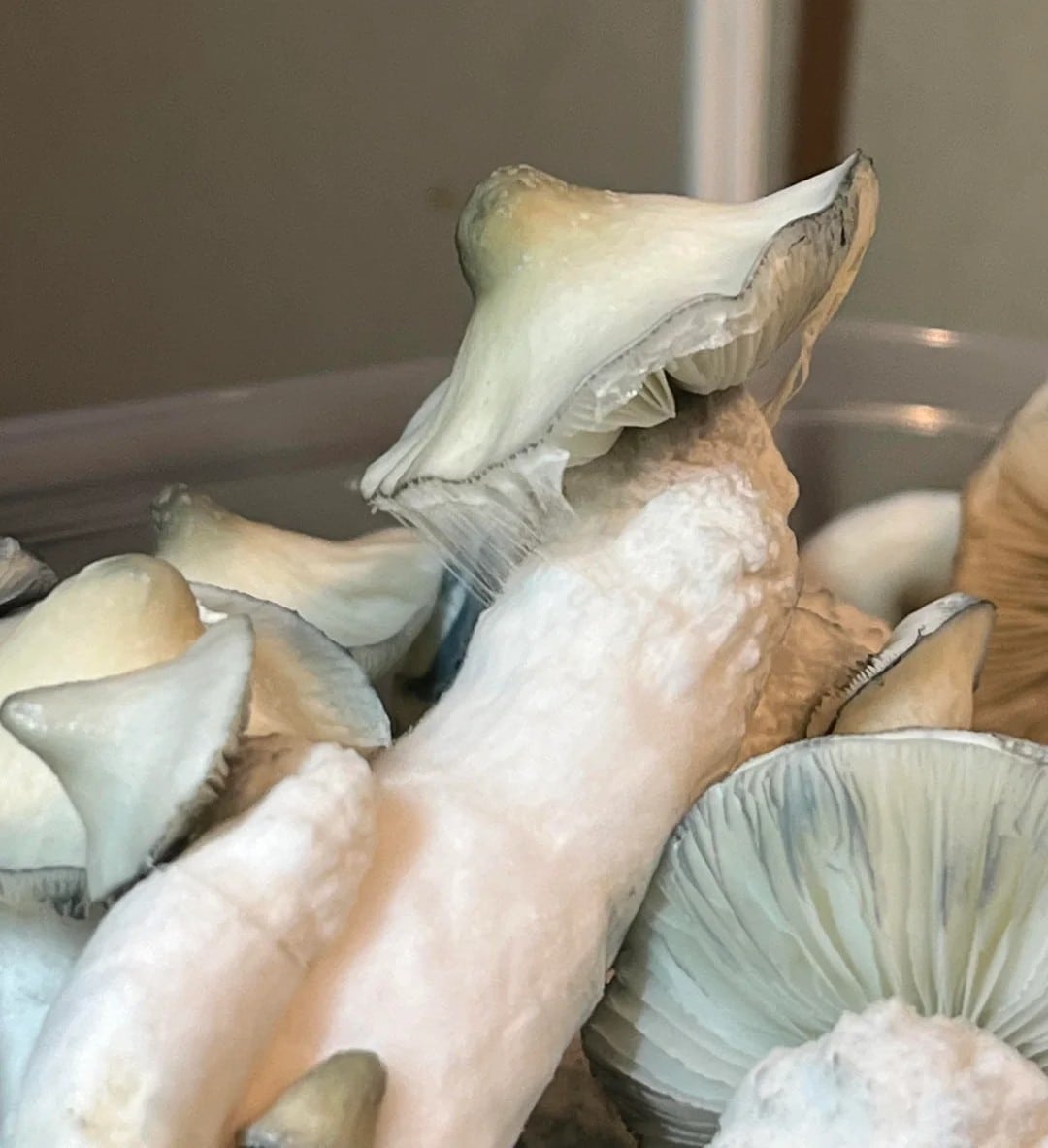
- Cap traits: Caps are often described as compact and can present a pointed or peaked silhouette that collectors liken to “wizard hats”
- Color range: Reports commonly mention pale to tan caps; some references note pale-to-bluish hues or strong bruising contrast depending on phenotype
- Bruising: Blue oxidation is commonly reported when tissue is handled or damaged (a typical P. cubensis response)
Microscopy & Taxonomy Notes
- Spore print color: Dark purplish-brown (typical of P. cubensis)
- Why Gorilla Wizard is interesting under magnification: Vendors and collectors consistently highlight its dense, aggressive mycelium and distinct phenotypic expression as a strong candidate for study, imaging, and comparative documentation.
Research Notes (Educational Context)
Educational and descriptive context only.
- Community descriptors: Often framed as “strong,” “focused,” and “grounding” in anecdotal strain language; note that these are not verified medical claims.
- Why it’s collected: Hybrid origin + visually striking morphology makes Gorilla Wizard a favorite for strain comparison and documentation in curated genetic libraries.
- Variation caveat: Hybrids can express differently between isolates; morphology may vary with genetics and environment.
Cultivation Characteristics (High-Level Overview)
- General behavior (reported): Frequently described as rapid and aggressive colonization in controlled lab propagation contexts
- Mycelium: Often noted as thick, resilient, and visually “ropey”/robust compared to many classic cubensis varieties
- Difficulty: Typically positioned as an “intermediate-to-enthusiast” hybrid due to phenotype variability and dense growth traits
For safety and compliance, this section is descriptive only and excludes instructions, parameters, or cultivation techniques.
Collector & Researcher Highlights
- Hybrid lineage: Commonly cited as Gandalf × Makilla Gorilla
- Standout trait: Thick, aggressive mycelium ideal for imaging and comparative study
- Phenotype appeal: “Wizard hat” cap silhouette and dense build are frequently referenced
- Abbreviation: Commonly referred to as GW or Gorilla Wizard
Why liquid culture over spores (for research):
- Isolated genetics: liquid culture is typically prepared from a clean, selected isolate (less variability than multispore observation)
- Cleaner observation: minimal extraneous material for microscopy prep – Made in front of a scanned, 99.99% efficient HEPA filter
- Consistent expression: helpful when documenting morphology across repeated observations
- Shelf Life: Use within 2 months for best results; 70-day viability guarantee when stored properly; may remain viable up to 12 months refrigerated (not guaranteed). DO NOT FREEZE.
Shipping: Fast and Free USPS shipping including all territories including Puerto Rico, U.S. Virgin Islands, Guam, Northern Mariana Islands, and American Samoa. Expedited USPS Priority options available. Products shipped daily (see our Shipping FAQ page for shipping times and questions) No cheap culture and outrageous shipping cost. What you see is what you pay.
- Satisfaction guarantee on all orders
- Military & First Responder discount available
- Shroomery verified & trusted vendor with 100,000+ cultures shipped
- See what our customers say about us!
- All payment methods are accepted, including cash, money order, debit, credit, cryptocurrency at checkout, Cash App, and Venmo.
Important: Products are strictly intended for microscopy and taxonomy research only. Do not use where prohibited by law. None of our products contain any illegal or active alkaloids at the time of shipment.
Add Gorilla Wizard to your genetic library and explore one of the most visually compelling modern hybrid P. cubensis lines under the microscope.
PE-Family & Ancestral Lines We Carry
Neither of Gorilla Wizard’s parents is a classic line. Both are modern designer hybrids, and both are reported to trace back to the Penis Envy family. These are the ancestral and related lines worth running beside it:
- Penis Envy (PE) – the root of the family, and the reference for the thick stems and compact caps that run through Gorilla Wizard’s pedigree
- Melmac – a PE-family isolation named in one of the reported pedigrees for the Makilla Gorilla parent
- Albino Penis Envy (APE) – the albino PE line also named in that Makilla Gorilla pedigree, and a useful contrast for how much pigment varies across the family
- Albino Bluey Vuitton (ABV) – another modern PE-family designer hybrid, for comparing how two recent crosses express the same family traits
Collecting the family? Add the matching Gorilla Wizard vinyl sticker – and every order includes a free random sticker regardless.
Frequently Asked Questions
What is Gorilla Wizard crossed from?
Gorilla Wizard is a modern designer hybrid with community-cited parentage of Gandalf × Makilla Gorilla. As with most modern hybrids, parentage is best treated as reported rather than verified.
Where does the “wizard hat” description come from?
The line is noted for a distinctive pointed cap profile that collectors compare to a wizard’s hat, paired with dense, aggressive growth. That silhouette is the trait most often used to recognize it.
What is the difference between a liquid culture and a spore syringe?
A spore syringe carries spores suspended in solution. Spores are genetically varied and have to germinate before any mycelium exists, so what develops can differ from sample to sample. A liquid culture contains living mycelium from a single isolated genetic line that has already been grown out, so you are working with a known, consistent expression from the start and there is no germination stage. For microscopy and taxonomy work that means repeatable observation of the same genetics rather than a mixed population. Every culture we prepare is made in front of a scanned, 99.99% efficient HEPA filter.
How long will my liquid culture stay viable, and how should I store it?
We recommend using your culture within 2 months of receipt for best results. When stored properly it is covered by our 70-day viability guarantee, and properly stored cultures can remain viable for up to 12 months, although viability beyond 70 days is not guaranteed. Keep it refrigerated between 33-40°F and never allow it to freeze. Most cultures survive a single freeze-thaw cycle, but repeated freeze-thaw cycles will kill live mycelium.
What happens if my culture arrives contaminated or does not work?
Every batch is verified contamination-free before it ships, and your order is covered by our 70-Day Guarantee. If a culture arrives contaminated or fails to perform within that window, contact us and we will arrange a replacement or refund. Full terms are set out on our Refund & Replacement Policy page.
What are Gandalf and Makilla Gorilla?
Both are recent designer cubensis hybrids rather than classic lines. Makilla Gorilla is reported in different strain guides either as Melmac × Albino Penis Envy or as a cross of two PE-based hybrids, Gorilla Penis and Makaveli, and is known for dense, heavy fruiting bodies. Gandalf is reported as an albino A+ × PE-style hybrid, is sometimes grouped with True Albino Teacher lines in catalogs, and is named for the pointed, wizard-hat cap shape that Gorilla Wizard is also known for.
Is Gorilla Wizard part of the Penis Envy family?
By its reported pedigree, largely yes. Both parents are described as PE-influenced hybrids, which fits Gorilla Wizard’s thick stems, dense build and compact caps. It is best described as a PE-family designer hybrid rather than a classic line, with the caveat that neither parent’s pedigree has been independently verified.
What do Gorilla Wizard spores look like under the microscope?
Where prints can be obtained they read dark purplish-brown, and spores should fall within the normal range for the species: smooth, subellipsoid and roughly 11 to 17 micrometers long by 7 to 12 wide. Because both parents carry PE-family traits, sporulation can be lighter than in classic lines. Published Gorilla Wizard-specific measurements are not available.
Have a question we have not covered here? See our full FAQ page.
Additional Information & Research Resources
Documented Origin & Disputed History
Gorilla Wizard is one of the newest lines we carry, and its history is mostly the history of its parents. No breeder has been credited with the cross and no release date is documented. What is consistent across sources is the pairing: Gandalf × Makilla Gorilla. Beyond that, the pedigree gets less certain the further back you go.
Makilla Gorilla has at least two competing pedigrees in circulation. One strain guide credits it to Limitless Genetics as a cross of Melmac and Albino Penis Envy. Another describes it as a cross of two PE-based hybrids, Gorilla Penis and Makaveli. Gandalf is described as an albino A+ × PE-style hybrid, and some catalogs list it alongside True Albino Teacher lines. The thread that runs through every version is Penis Envy-family genetics on both sides. We present these accounts as they circulate rather than as settled fact.
What the Genetics Suggest
No published study has sequenced Gorilla Wizard or either of its parents. The closest reference point is population genomics on the PE family as a whole. McTaggart and colleagues, writing in Current Biology in 2023, found the P-envy population to be one of the narrowest in cultivation, with the strongest signal of clonal propagation and the highest inbreeding coefficient of any group studied.
In plain language: crossing two PE-family hybrids reshuffles traits that are already closely related rather than bringing in much new diversity. But because Gorilla Wizard is a third-generation designer cross, its offspring can still segregate into noticeably different forms. That is exactly why descriptions vary from isolate to isolate, and why a single isolated culture is the only way to study one consistent expression.
The “Wizard Hat” Cap
The name comes from a trait both sides of the cross are associated with. Gandalf is named for its pointed, bulbous caps, and Gorilla Wizard is described with the same peaked silhouette on a denser, heavier Makilla Gorilla-type body. Pronounced umbos and compact caps are common in PE-influenced lines, where the cap often stays closed longer than in classic cubensis. For documentation work, cap profile at different stages of development is one of the most useful traits to record for this line.
What Analytical Testing Shows
There is no published laboratory data on Gorilla Wizard. The closest peer-reviewed reference point is a 2026 study in the Journal of Fungi by Sharchaton and colleagues, which grew 14 cubensis strains under identical conditions. Total tryptamines varied more than 7.8-fold across strains, from 2.62 to 20.65 mg/g. Penis Envy measured 17.59 mg/g and Albino Penis Envy 12.33 mg/g, among the higher results, but individual fruiting bodies within a single strain varied by 12.8 to 23.4 percent in psilocybin.
The takeaway: PE-family ancestry is associated with higher readings in controlled work, but it is not a guarantee, and one strain name can cover a wide spread. Any Gorilla Wizard potency claim should be treated as unverified until specific testing exists.
Microscopy & Culture Reference Notes
- Spore data: expected within the normal P. cubensis range of roughly 11–17 x 7–12 micrometers, subellipsoid and smooth-walled; published Gorilla Wizard-specific measurements are not available
- Pigmentation: dark purple-brown under transmitted light where prints can be taken; sporulation may be lighter than in classic lines
- Macro reference: dense, heavy fruiting bodies; thick stipes; compact, often peaked caps; pale to tan coloration with strong blue bruising
- Mycelial reference: described as thick and rope-like; useful for documenting hyphal density and branching
- Suggested workflow: 100x to survey coverage and growth habit, 400x for spore or hyphal morphology, 1000x oil immersion for measurement, germ pore and clamp connection detail
- Comparative value: run beside Penis Envy to see which traits trace back to the root of the family, and beside a classic line to document how far designer hybrids have moved
Gorilla Wizard on Video
Background viewing from third-party creators. Strain footage first, then the PE family behind both parents and wider context:
- Gorilla Wizard (Gandalf x Makilla Gorilla) – Myco Green Station, under 1 min. A short clip of the cross itself, showing the dense build and peaked caps.
- This Is Makilla Gorilla – The Spore Report, under 1 min. A quick look at the heavier parent line behind Gorilla Wizard’s body type.
- Penis Envy Mushrooms – DoubleBlind, 7 min. An introduction to the family both parents are reported to descend from, and why PE-type mushrooms look and behave differently.
- Melmac Mushrooms: What Are They? – DoubleBlind, 10 min. An overview of the PE-family line named in one reported Makilla Gorilla pedigree.
- The True Story of the Penis Envy Mushroom – Hamilton Morris, 2 hr 45 min. A long-form 2022 interview on the origin of the line at the root of Gorilla Wizard’s family tree.
- The Science of Strains: Golden Teacher vs. Penis Envy – Wonder Fungi, 5 min. Works through Psilocybin Cup data to show how PE-family chemistry differs from classic lines.
- Fungal Microscopy: How to Mount a Slide, View and Measure Spores – Oregon Mycological Society, 5 min. Not strain-specific, but the most useful video here if you are doing the measurement work yourself.
These are third-party videos. We are not affiliated with any of these creators and do not control their content. Links are provided for historical and educational context only.
Important Notice:
Once home, cubensis cultures should be kept in a fridge between 33-40°F to maximize their lifespan. We recommend using them within 2 months. Viability is guaranteed for 70 days when stored properly, and properly stored cultures can last up to 12 months, but this is not guaranteed.
Do not let your cultures freeze! While most will survive one freeze-thaw cycle, multiple freeze-thaw cycles will kill any live mycelium.
This product description is provided strictly for educational, historical, and scientific context. Products are intended for microscopy and taxonomy research only. Not for cultivation or consumption.
We are not able to offer any cultivation or growing information or advice. Any such requests will be ignored.
Please comply with all applicable local, state, and federal laws.


Shawn S. (verified owner) –
fast shipping
timmy turner (verified owner) –
Michelle D. (verified owner) –
Ryan (verified owner) –